THE UNIVERSITY OF CHICAGO







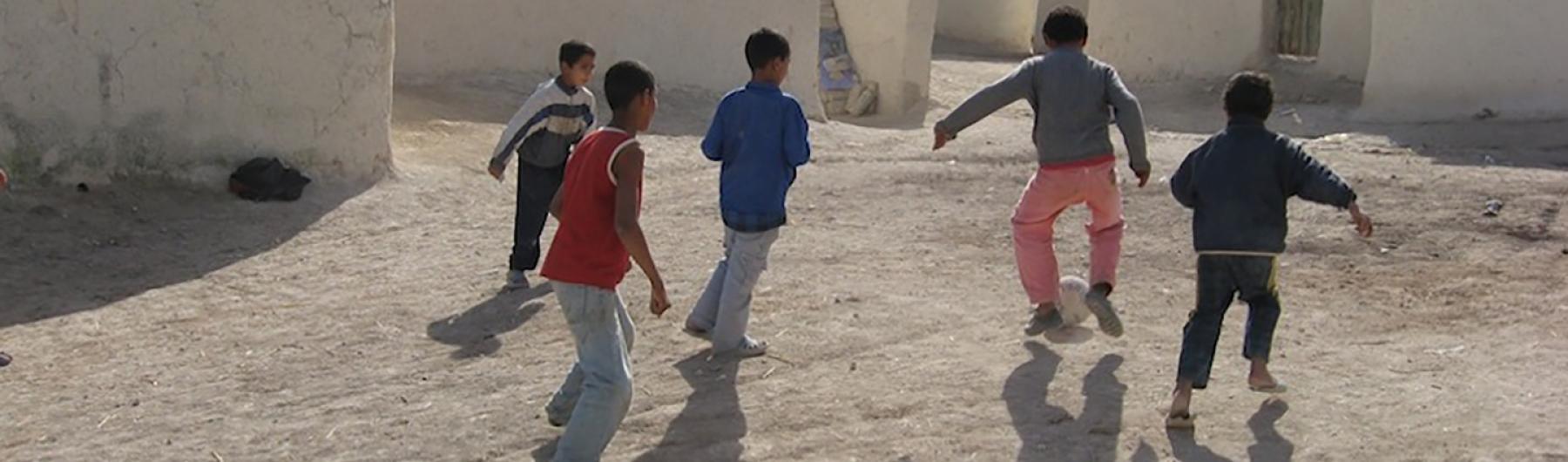
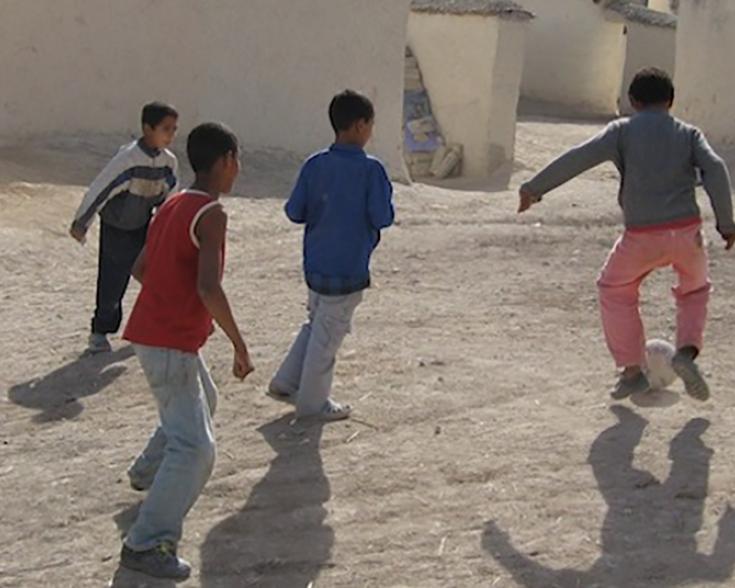
The Department of Comparative Human Development (CHD) is an interdisciplinary program at the critical edge of thought and research in the social sciences, examining what it means to be human during a contemporary moment marked by rapid social, technological, and ecological change; massive global movements of people and ideas; and wide-ranging forms of inequality. Faculty and students in the Department conduct interdisciplinary, holistic and comparative research and scholarship focused on individual lives within various, changing, and heterogeneous contexts. Drawing on methods and concepts from anthropology, biological and developmental psychology, educational research, sociology, and statistics, Department members are committed to examining humans as simultaneously sociocultural, biological, and psychological beings who change over developmental and historical time. Such perspectives make CHD a unique space for research addressing topics including difference, equality, and power in multicultural societies; the developmental, symbolic and embodied processes involved in learning and socialization; the social shaping of vulnerability and resilience in relation to shifting categories such as gender, race, class, age, sexuality, and ability, among others. Faculty and graduate students conduct research in both US and non-US settings using diverse methods including long-term participant observation, qualitative interviewing, analysis of survey data, experiments, classroom observation, and field research with non-human animals.
CHD is Seeking Applications for our PhD Program
The Department of Comparative Human Development is actively seeking applications for our PhD program. CHD offers students the opportunity to build a unique research program by integrating training across multiple social science approaches, including sociocultural, medical, and psychological anthropology; biological, cognitive and cultural psychology; sociology; linguistics; statistical methods; and education policy. By receiving deep training from faculty across disciplines, students are able to consolidate multiple theoretical and conceptual frameworks into their scholarship. Students also receive high quality methodological training including theory-driven quantitative, qualitative, and ethnographic courses, and have numerous opportunities to collaborate with faculty on on-going research projects. You can learn more about our graduate program here and apply here.
Recent Accolades

Professor Jennifer Cole was invited to the teach a series of lectures related to her work in African Studies by the Belgian Université catholique de Louvain.
Each academic year, four internationally renowned professors and/or researchers are invited to teach a series of courses on their area of expertise through the UCLouvain Chaires Jacques Leclercq.

Anapaula Silva Mandujano, AB'24 (CHD and PSY) and current MAPSS student, selected as a Fulbright Finalist.

Assistant Professor Chiara Galli’s book, Precarious Protections, was awarded the 2025 American Sociological Association (ASA) Latina/o Sociology Section Distinguished Contribution to Research Book Award.
Her recent article in International Migration Review also received an honorable mention in the ASA Children and Youth Section for the Outstanding Scholarly Contribution Article Award.
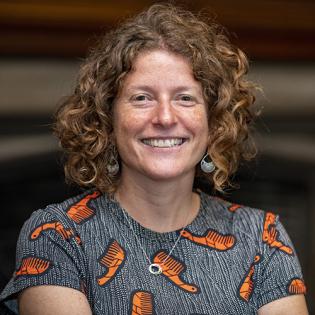
Professor Michele Friedner was named a recipient of a 2024 Llewellyn John and Harriet Manchester Quantrell Award, believed to be the nation’s oldest prize for undergraduate teaching.

Terra Edwards is the first recipient of the Innovation Award of the International Pragmatics Association. The award recognizes “recent exceptionally innovative work in the field of linguistic pragmatics, broadly conceived as the (interdisciplinary) science of language use."